| Course Syllabus | |||||||||||||||||||||||||||||||||
|---|---|---|---|---|---|---|---|---|---|---|---|---|---|---|---|---|---|---|---|---|---|---|---|---|---|---|---|---|---|---|---|---|---|
| Course Name | Translating Banking Documents (E-J) | ||||||||||||||||||||||||||||||||
| Category | Expert Competence | ||||||||||||||||||||||||||||||||
| Year Taken | First or Second Year | ||||||||||||||||||||||||||||||||
| Offered Major/ Type of Course | Major 2 / Elective | ||||||||||||||||||||||||||||||||
| Number of Classes | 16 | ||||||||||||||||||||||||||||||||
| No. of Credit | 2 | ||||||||||||||||||||||||||||||||
| Professor | Toshinobu Masuda Professor Profile: Graduated from Otaru University of Commerce in 1956. Worked in Mitsubishi Bank for 28 years. Experienced all section of Deposit and Lending fields in the first two years. Later, worked in the Department of Foreign Affairs and the Examination Divisions, mainly involved with foreign exchange and international finance. When working at the External Affairs Division, was responsible especially for the boardroom English-written social letters and the Bank’s annual reports (in English).After promoted, covered general banking business at Ginza and Kyoto branches and Osaka Head Office. After retirement from the Mitsubishi Bank, undertook a responsible position of Isetan (the largest department store in Japan)’s Overseas Expansion Division. Involved in opening 7 new stores in Shanghai, Bangkok, Kuala Lumpur, London, Wien, Milan and Barcelona, and expansion of 3 current stores in Singapore. Taught business English at Tokyo English Specialists College. Involved in and experienced distance education and training at Babel University Professional School of Translation since 2003. |
||||||||||||||||||||||||||||||||
| Course Summary | Gives an overview of banking operations and structure; work content including international operations; and interaction with bankers. | ||||||||||||||||||||||||||||||||
| How this course was developed | Between the years 2004 and 2006, Babel University developed 30 courses on American law as part of the curriculum for students majoring in International Paralegal and Legal Translation as well as Finance and IR Translation, in order for them to better understand the American legal background. This class was one of the 30 courses. It was first made available in 2006 and was revised in 2007. | ||||||||||||||||||||||||||||||||
| How this course was developed | Upon revising the former Business Management Translation Major to Finance and IR Translation Major, Babel University Professional School of Translation planned the expansion of courses related to financing and asked Mr. Toshinobu Masuda to develop a course. Mr. Masuda previously worked in the international sector of Bank of Tokyo- Mitsubishi UFJ, the largest bank in Japan. After discussions on the matter with Babel Univeristy, he completed the design of this course. It was first made available for the Finance and IR Translation Major in 2008. | ||||||||||||||||||||||||||||||||
| Course Objective | The objective of this course is to train translators specializing in the field of banking business by teaching banking business words and sentences in both Japanese and English. | ||||||||||||||||||||||||||||||||
| Learning Outcome | Students who have successfully completed this course will be able to translate banking business documents smoothly and accurately. | ||||||||||||||||||||||||||||||||
| Course Progression | Read through each chapter carefully. Listen to the audio lessons Submit assignment |
||||||||||||||||||||||||||||||||
| Deliverable (Course Text, etc) | “Business Banking (Second Edition)” BARRON’S BUSINESS LIBRARY Theodore A. Platz, Jr., Thomas P. Fitch ISBN:9780764113987 *Students who participate in this course have to purchase the above-mentioned book. The explanation parts are written originally by Professor. Copyrighted by Babel University Professional School of Translation. * Revised in November 2012 |
||||||||||||||||||||||||||||||||
| Course Outline |
|
||||||||||||||||||||||||||||||||
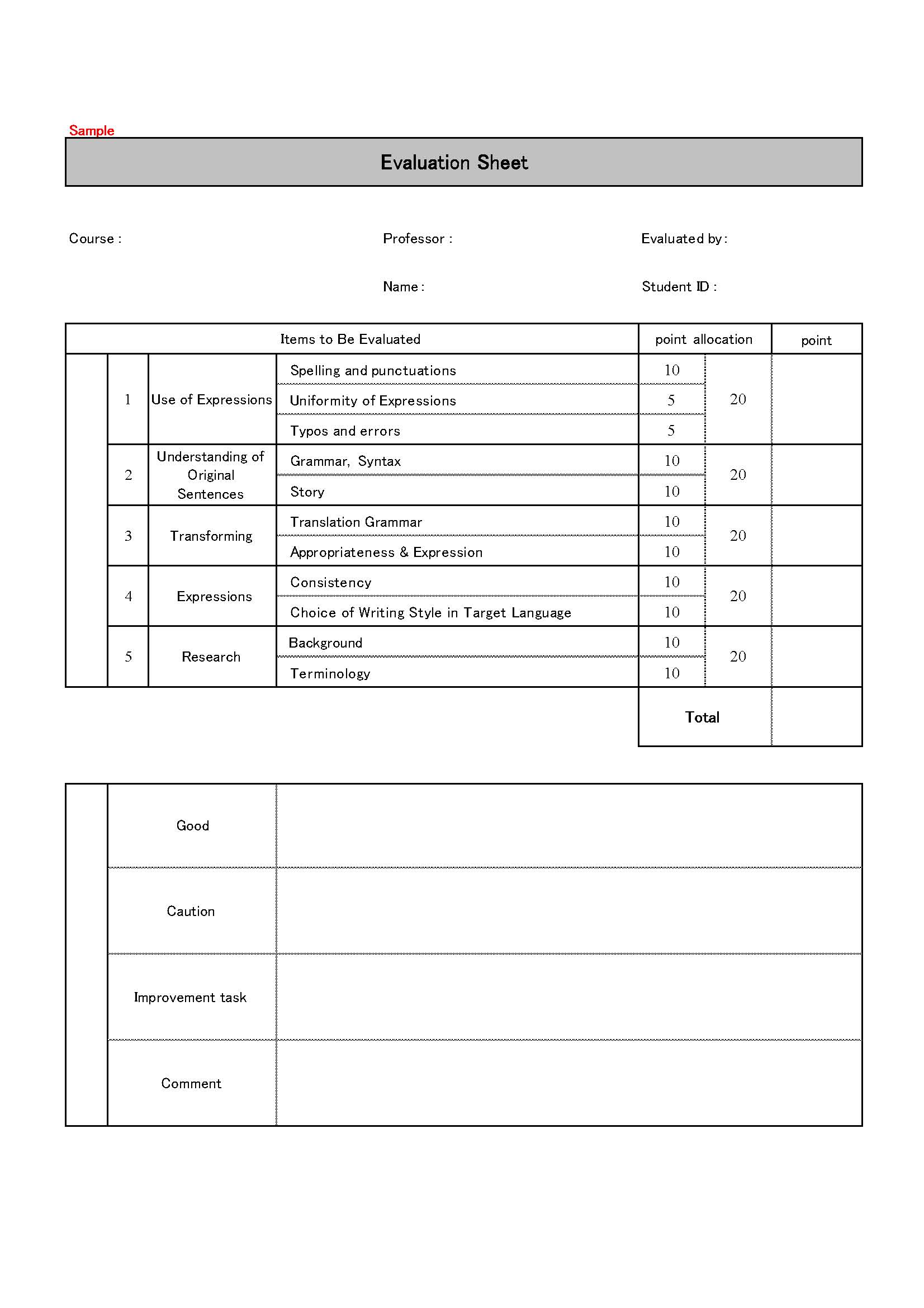
| Grade Evaluation and Course Requirement | Grade will be based on total scores from the following: 1. Assignments (Minimum of 8 (out of 16) assignments is required) 2. Final Exam Submission papers will be returned with the evaluation sheet, which states evaluation marking and comments as well as corrections with rubrics. *Minimum Course Requirement: B or above |
||||||||||||||||||||||||||||||||
 |
|||||||||||||||||||||||||||||||||
Revised in November 2012.